
Exhibitor Press Releases
From static to dynamic: how AI is changing load testing
)
For decades, static load testing has been the foundation of data centre commissioning. By applying load in controlled steps and holding it steady, commissioning teams have been able to validate capacity, redundancy, and performance with a high degree of confidence.
That approach still has value. But AI GPU workloads are changing the assumptions it was built on.
As AI-driven environments become more common, the way infrastructure is tested is starting to evolve, moving from static validation towards a more dynamic understanding of system behaviour.
Why static testing became the standard
Static load testing aligns well with the way traditional IT environments operate. Loads increase gradually, demand remains relatively stable, and changes are predictable.
Under these conditions, static tests are highly effective. They confirm that infrastructure can support expected demand, that systems remain within design limits, and that fault scenarios are handled correctly.
For many years, this approach accurately reflected real-world operation.
How AI workloads challenge that model
AI GPU workloads behave very differently.
Rather than drawing power steadily, GPU servers can ramp demand up and down in milliseconds, driven by compute bursts, scheduling changes, and parallel processing activity. These rapid transitions introduce a level of dynamism that static testing was never designed to replicate.
As a result, infrastructure that performs well under static conditions may behave unexpectedly when exposed to live AI workloads.
This doesn’t mean static testing is wrong. It means it is no longer sufficient on its own.
The shift towards dynamic load behaviour
Dynamic load testing focuses not just on how much load infrastructure can carry, but how it responds when that load changes rapidly and repeatedly.
Instead of stepping load slowly and holding it steady, dynamic testing introduces fast transitions that more closely mirror real AI GPU behaviour. This allows commissioning teams to observe system response, control behaviour, and interaction between electrical and mechanical components under realistic conditions.
In AI environments, this behavioural insight is becoming just as important as traditional capacity validation.
What dynamic testing reveals
When infrastructure is tested dynamically, different aspects of performance come into focus, including:
- how control systems respond to rapid load changes
- how protection devices interpret transient events
- how generators stabilise during sudden load steps
- how cooling systems align with fast-changing heat output
These behaviours may never appear during static testing, yet they can have a significant impact on operational stability once AI workloads are live.
How PowerLoad supports this shift
This move from static to dynamic testing is driving increased interest in load banks capable of replicating real AI GPU behaviour.
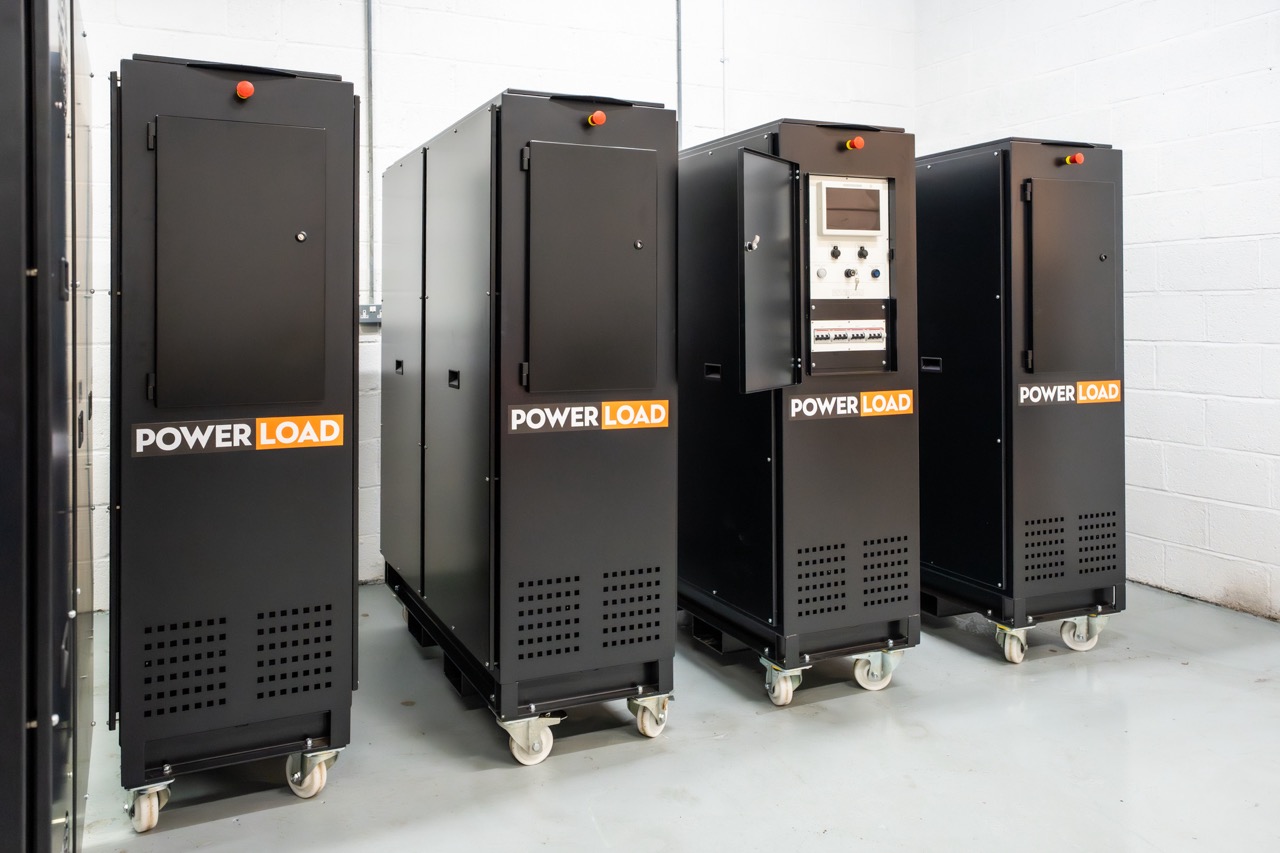
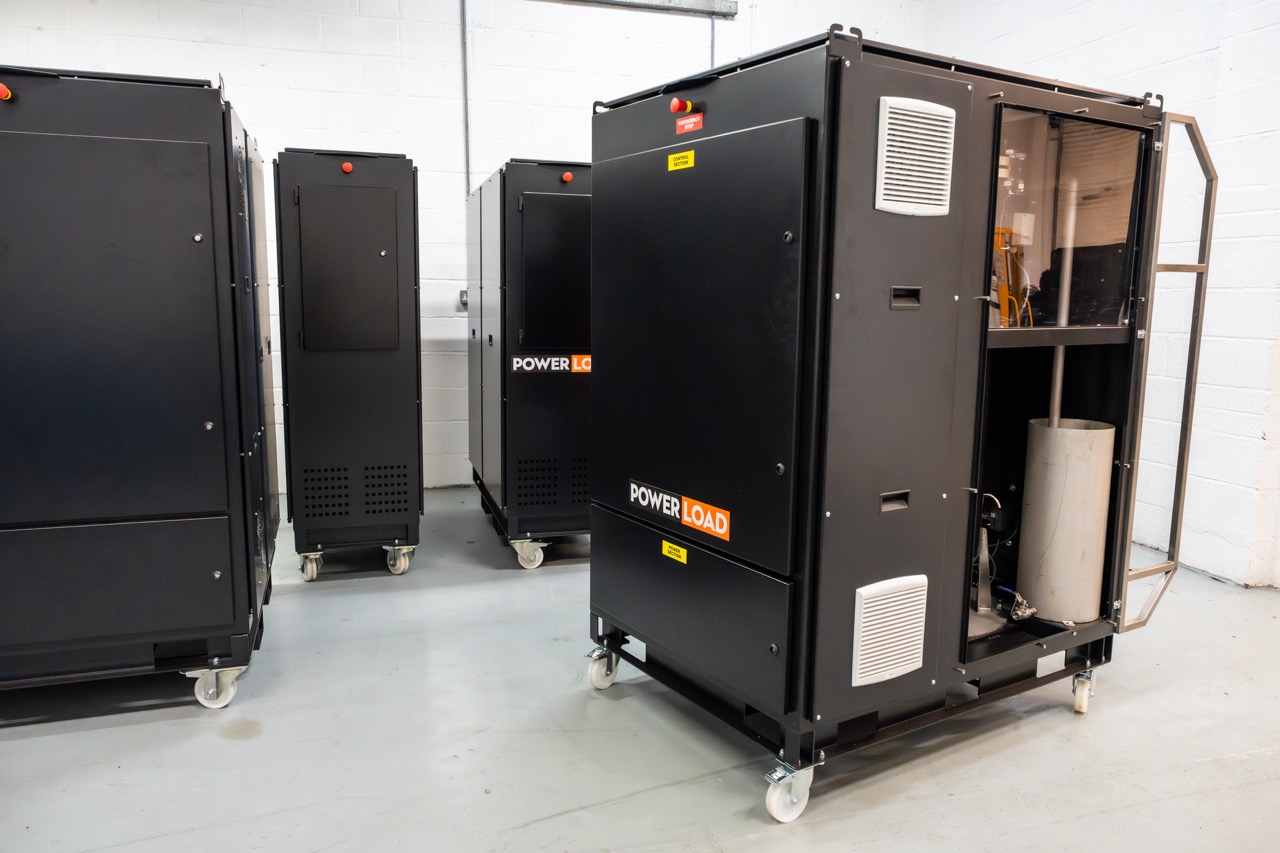
PowerLoad’s load bank systems use solid-state switching to apply and remove load at millisecond timescales, enabling commissioning teams to introduce realistic load transitions during testing. Rather than replacing static tests, this approach complements them by adding a behavioural layer that reflects modern workload demands.
By combining traditional commissioning methods with dynamic load testing, teams can gain a more complete picture of how infrastructure will perform in operation.
A new baseline for AI-era commissioning
As AI deployments continue to scale, expectations around commissioning are changing. Confidence is no longer based solely on nameplate ratings and steady-state performance, but on how systems respond under dynamic conditions.
The shift from static to dynamic testing reflects a broader evolution in data centre design and operation. It recognises that modern workloads behave differently, and that testing methods must adapt accordingly.
In AI GPU environments, commissioning is becoming less about proving capacity in isolation, and more about understanding behaviour under real-world conditions. Dynamic load testing is a key part of that transition.