
Exhibitor Press Releases
The commissioning problem AI GPU infrastructure is starting to expose
)
AI GPU infrastructure doesn’t behave like traditional IT loads. And in many cases, it isn’t being tested like it either.
The issue isn’t how much power AI uses
It’s how fast that power changes.
GPU servers can ramp load up and down in milliseconds. These rapid, high-frequency changes place very different demands on electrical and mechanical systems compared to the smoother, more predictable load profiles that commissioning methods were originally designed around.
As a result, infrastructure can pass commissioning comfortably, only to show signs of instability once real AI workloads are introduced.
Where traditional commissioning starts to fall short
Conventional commissioning approaches are highly effective at proving capacity, redundancy, and steady-state performance. Static or slow-stepping load banks validate that systems can carry load and operate within design limits.
What they don’t always reveal is how infrastructure behaves under rapid, repeated load changes.
In AI GPU environments, this can mean that key issues remain hidden until live operation, including:
- Voltage dips and spikes caused by fast current swings
- UPS control systems reacting unpredictably to high-frequency load changes
- Protection devices tripping on transient spikes rather than genuine faults
- Generators lagging behind sudden load steps during transitions
- Cooling systems struggling to keep pace with rapidly changing heat output
None of these problems are theoretical. They are a direct consequence of testing infrastructure in a way that no longer reflects how it will actually be used.
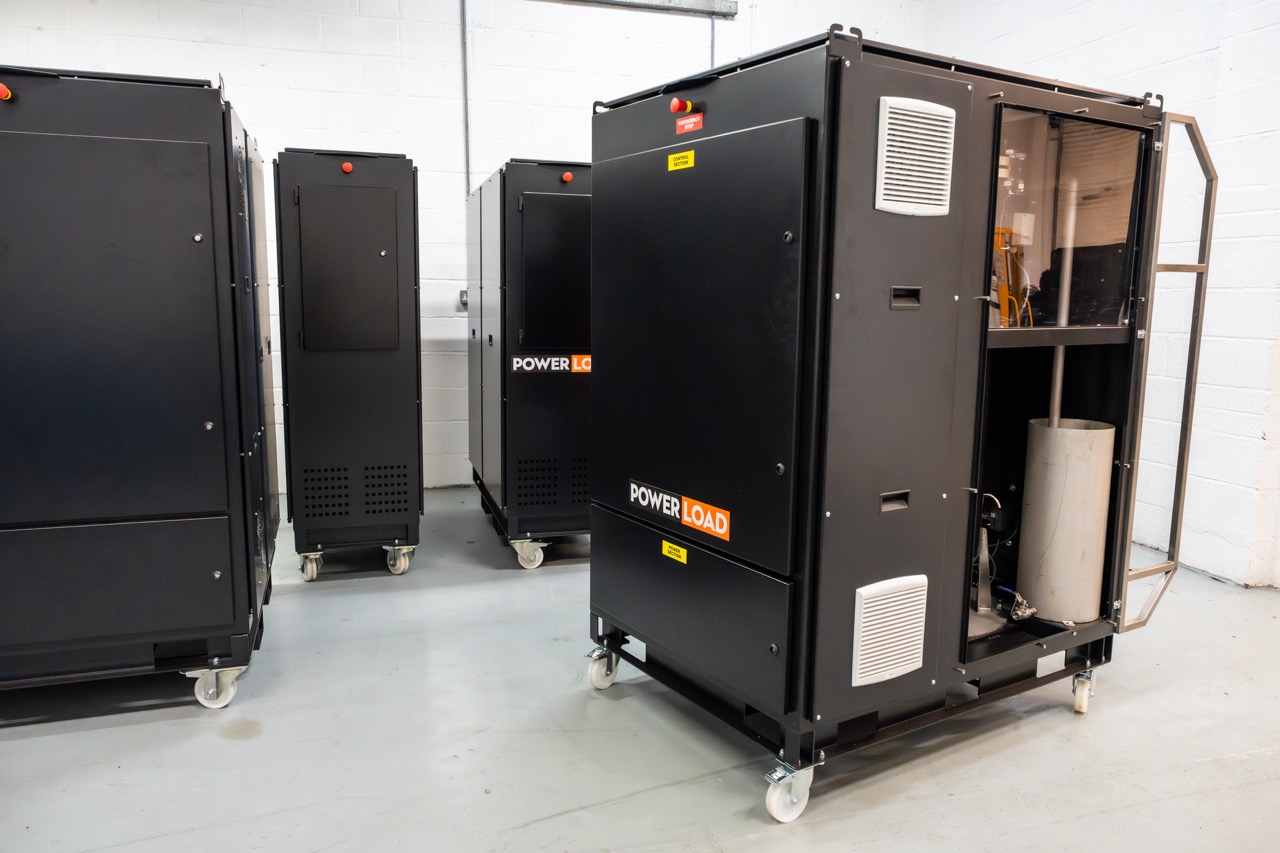
The growing gap between testing and reality
This creates a commissioning blind spot. Facilities appear stable under static conditions, but behave very differently once AI workloads are deployed. By the time these behaviours are observed, the data centre is live, operational risk is higher, and remediation becomes significantly more complex and expensive.
As AI adoption accelerates, this gap between traditional testing methods and real-world load behaviour is becoming harder to ignore.
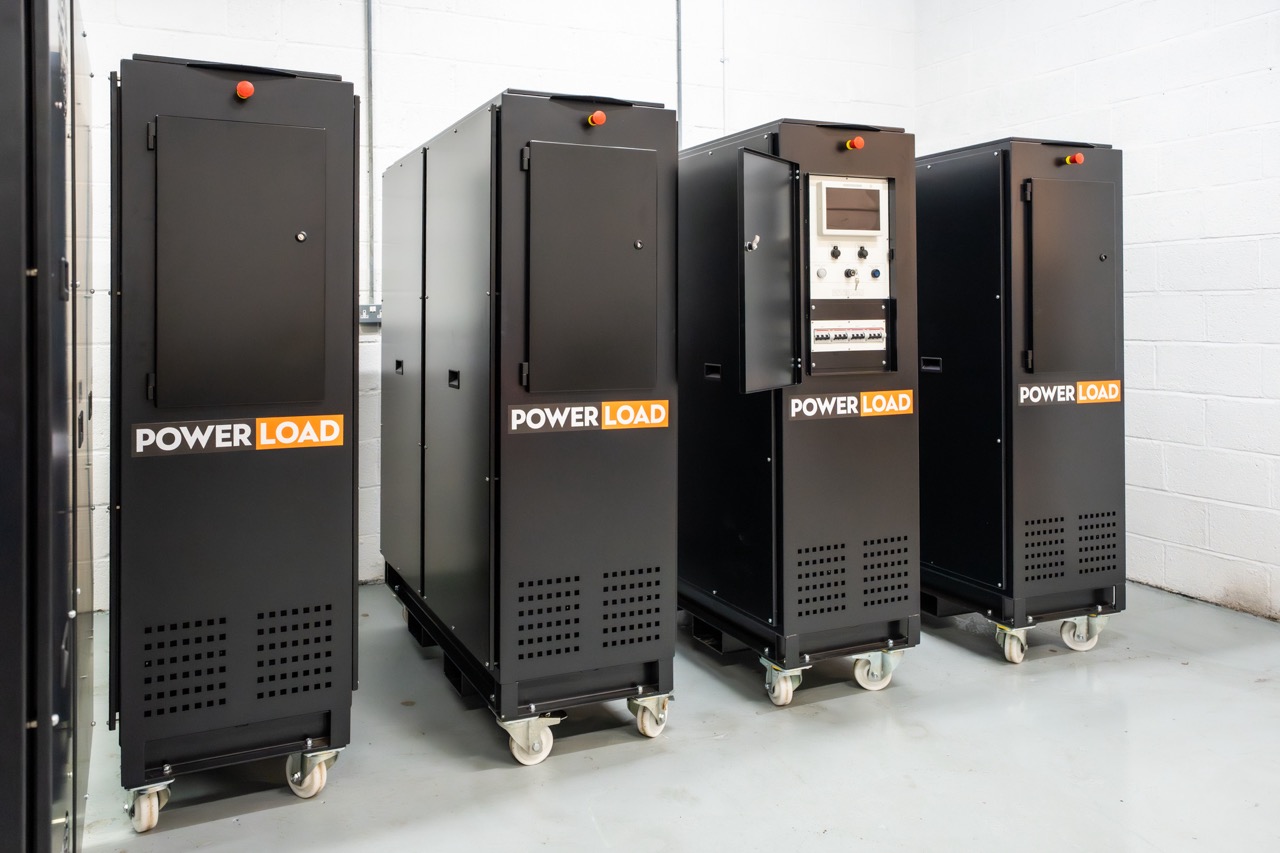
Why solid-state switching changes what can be tested
Solid-state switching allows load banks to change demand at the same speeds seen in AI GPU servers. Instead of stepping load over seconds or minutes, load can be applied and removed in milliseconds, accurately replicating real server behaviour.
This enables commissioning teams to move beyond static capacity testing and observe how systems respond dynamically, under conditions that closely mirror live AI operation.
With solid-state switching, it becomes possible to:
- Test millisecond-level load changes safely and repeatably
- Expose instability, protection issues, or control limitations early
- Validate system response without relying on live IT hardware
- Commission infrastructure based on behaviour, not just nameplate ratings
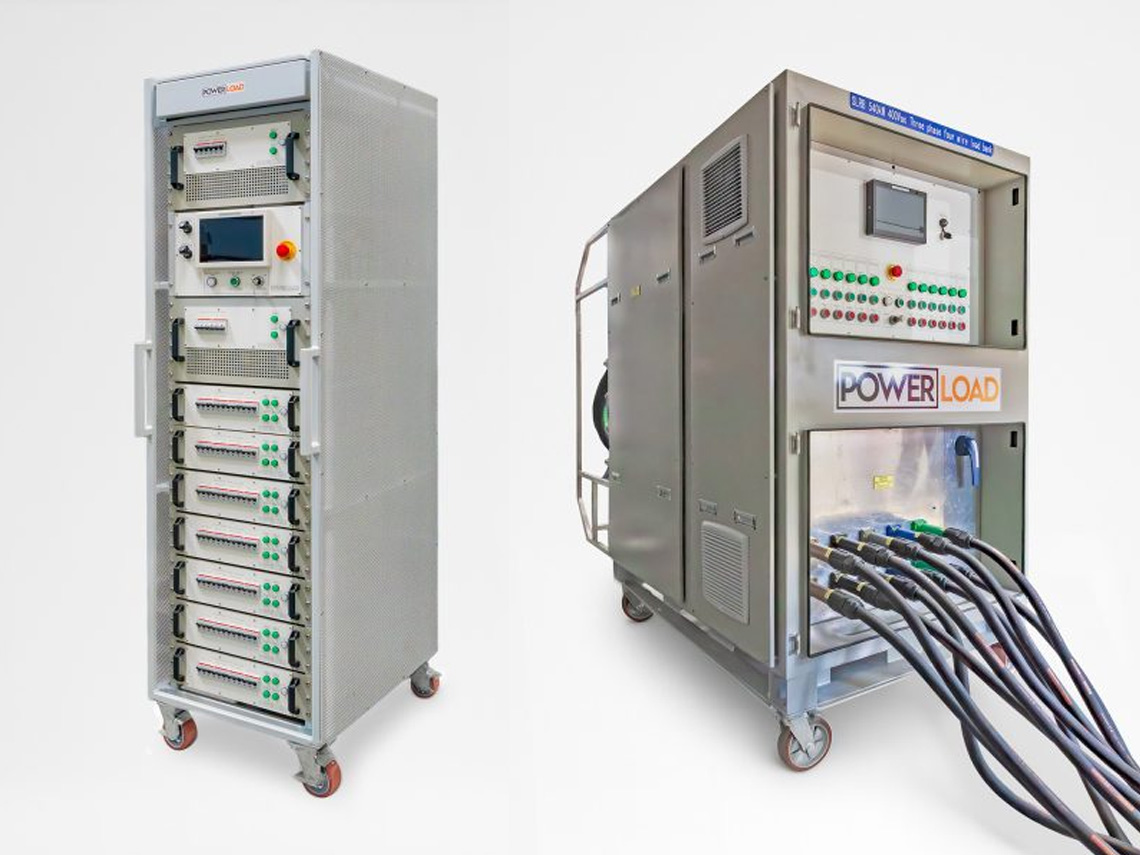
PowerLoad’s role in AI-era commissioning
PowerLoad has developed its load bank systems specifically to address this shift. By using solid-state switching, PowerLoad enables commissioning teams to replicate the real electrical behaviour of AI GPU servers during testing, rather than relying on static or slow-reacting load profiles.
This allows infrastructure to be commissioned against the demands it will actually face in operation, providing greater confidence before AI workloads go live.
A conversation the industry is starting to have
As hyperscale and AI-focused facilities continue to grow, the question facing commissioning teams is no longer just whether infrastructure can handle the load.
It’s whether it has been tested to handle how that load behaves.
PowerLoad will be attending DCW, where the team will be discussing how solid-state switching can help close this gap and support more realistic, resilient commissioning for AI GPU infrastructure.
For those designing, commissioning, or operating modern data centres, this conversation is only just beginning.