
Exhibitor Press Releases
The speed problem hiding inside AI GPU power demand
)
But beneath these headline numbers sits a less visible challenge, one that isn’t driven by how much power AI workloads consume, but by how quickly that power demand changes.
This speed problem is becoming one of the defining characteristics of AI GPU environments, and it has significant implications for how infrastructure is tested, commissioned, and ultimately trusted in operation. It is a challenge PowerLoad is seeing increasingly often as commissioning teams begin to work with AI-driven facilities.
Capacity isn’t the only variable that matters
Traditional IT loads tend to behave in relatively predictable ways. Even as demand increases, changes in power draw are often gradual, allowing electrical and mechanical systems time to respond.
AI GPU workloads behave very differently.
GPU servers can ramp power up and down in milliseconds, driven by workload scheduling, parallel processing bursts, and rapid shifts in computational demand. These changes don’t just increase total load, they introduce high-frequency transitions that place new stresses on infrastructure.
In this context, average load figures and steady-state capacity checks tell only part of the story.
Why speed changes the nature of the challenge
When power demand changes at millisecond timescales, infrastructure is no longer responding to smooth curves. It is reacting to sharp transitions.
Electrical systems, control logic, and protection devices must interpret and respond to these rapid changes correctly, repeatedly, and without instability. Mechanical systems such as generators and cooling plant, which inherently respond more slowly, are placed under additional strain as they attempt to keep pace.
The result is that infrastructure can appear robust under static or slow-changing conditions, yet behave very differently once real AI workloads are introduced.
Where the speed problem shows itself
In AI GPU environments, rapid load changes can surface issues that aren’t visible during conventional testing, including:
- voltage fluctuations caused by fast current swings
- UPS control systems reacting unpredictably to high-frequency load changes
- protection devices responding to transients rather than sustained faults
- generators lagging behind sudden load steps during transitions
- cooling systems struggling to align with rapidly changing heat output
These behaviours are not the result of poor design. They are a consequence of infrastructure being asked to respond at speeds it was never previously required to demonstrate during commissioning.
The mismatch between testing and operation
Most commissioning methodologies are built around proving capacity and resilience under controlled, steady conditions. Static or slow-stepping load tests confirm that systems can carry load and remain within defined limits.
What they don’t always capture is how infrastructure behaves when demand changes rapidly and repeatedly.
As AI adoption grows, this mismatch between how systems are tested and how they are used becomes more pronounced. Facilities can meet all commissioning criteria, only to encounter instability or unexpected behaviour once AI GPU workloads go live.
How PowerLoad is responding to the speed challenge
This shift in load behaviour is driving increased interest in testing approaches that can replicate the speed and dynamics of AI GPU workloads.
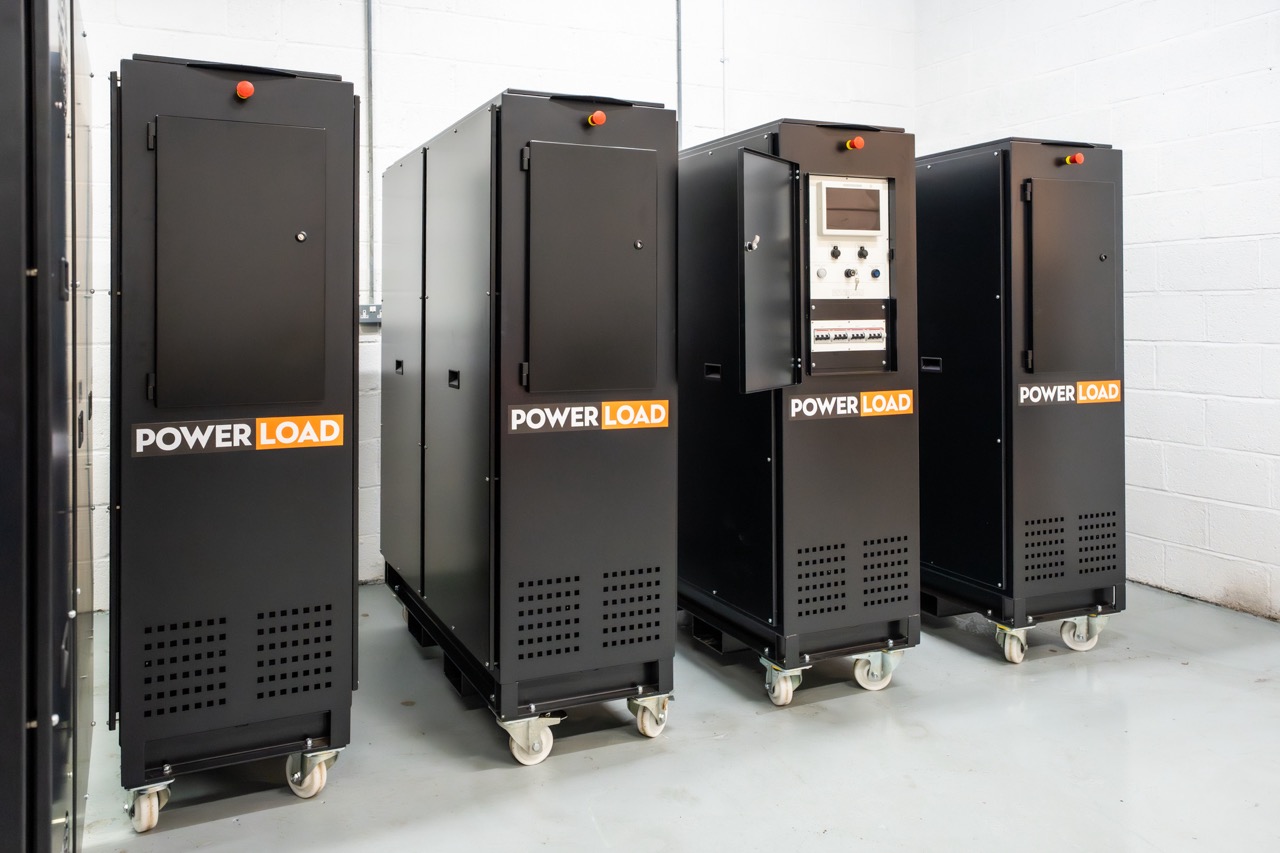
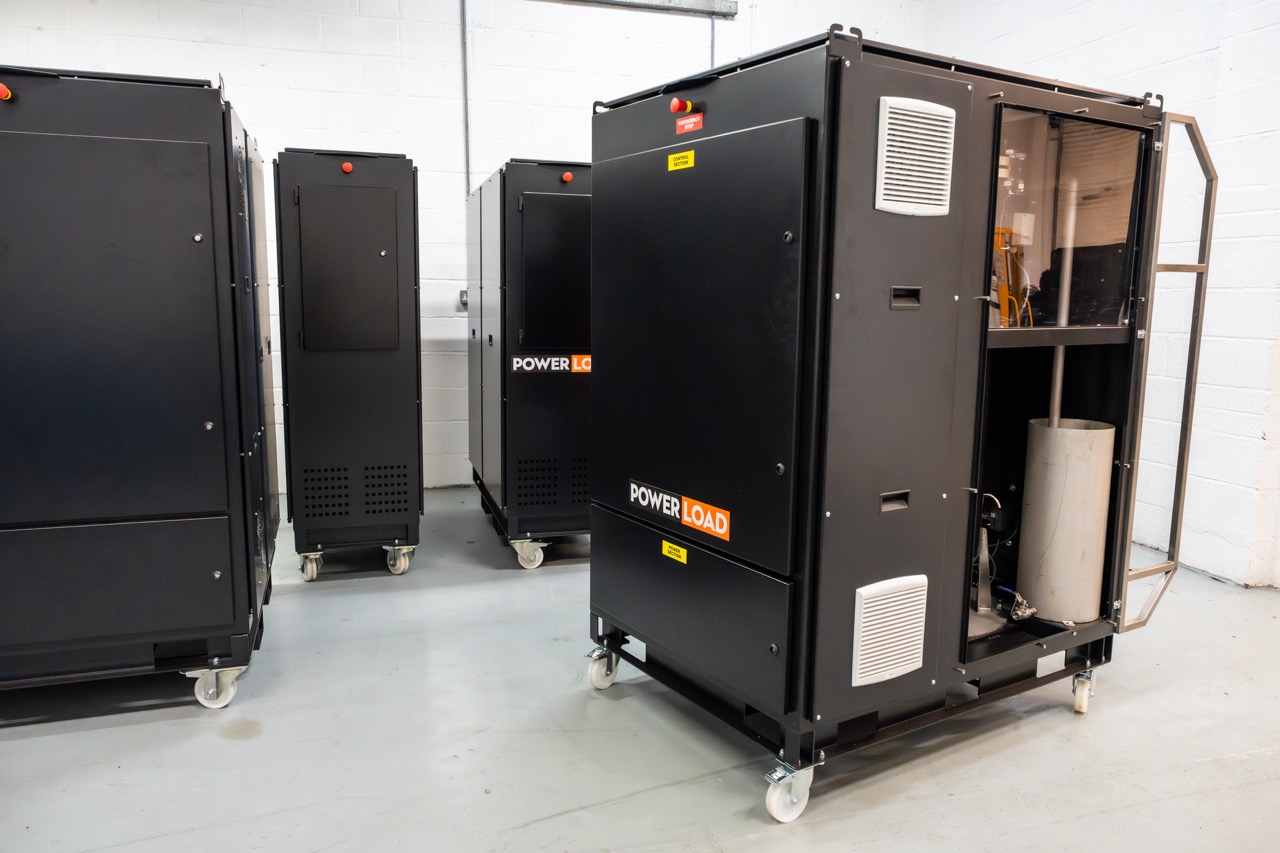
PowerLoad has developed its load bank systems to address this requirement directly. By using solid-state switching, PowerLoad enables load to be applied and removed at millisecond timescales, closely matching the real electrical behaviour of AI GPU servers.
This allows commissioning teams to move beyond static capacity validation and observe how infrastructure responds dynamically, under conditions that more accurately reflect live AI operation.
Why this matters now
As hyperscale and AI-focused deployments accelerate, the speed of load change is becoming just as important as the size of the load itself.
Understanding and addressing this speed problem is essential for commissioning teams looking to reduce risk, avoid post-handover surprises, and build confidence in AI-ready infrastructure.
The challenge is no longer simply delivering enough power. It ensures that the infrastructure has been tested to respond correctly when that power demand changes in milliseconds, not minutes.
This shift is reshaping how commissioning is approached, and it is setting the stage for new testing methods designed to reflect the real behaviour of AI GPU workloads.