
Exhibitor Press Releases
Why AI GPU loads trigger issues static testing never sees
)
Static load testing has been a cornerstone of data centre commissioning for decades. It remains an effective way to validate capacity, redundancy, and steady-state performance, and it has served the industry well as IT environments have grown in scale.
AI GPU workloads are now exposing the limits of this approach.
As commissioning teams begin working with AI-driven facilities, PowerLoad is increasingly seeing situations where infrastructure performs exactly as expected during static testing, yet behaves very differently once live AI workloads are introduced. The root cause is not insufficient capacity, but the nature of the load behaviour itself.
Static testing proves capacity, not behaviour
Traditional commissioning tests are designed to answer a specific question: can the infrastructure support a defined level of load under controlled conditions?
By stepping load gradually and holding it steady, static testing confirms ratings, thermal performance, redundancy paths, and fault tolerance. These checks are essential, but they are not designed to replicate rapid, high-frequency changes in demand.
AI GPU workloads introduce exactly that kind of behaviour.
GPU servers can ramp load up and down in milliseconds, driven by real-time compute activity. When infrastructure is tested only under static or slow-changing conditions, it is never exposed to the dynamics it will face in operation.
Where static testing falls short in AI environments
Because static testing does not replicate rapid load changes, certain issues can remain hidden until live operation, including:
- voltage dips or spikes caused by sudden current swings
- UPS control systems misinterpreting high-frequency load behaviour
- protection devices reacting to transient events rather than genuine faults
- generators struggling to stabilise frequency and voltage during abrupt load steps
- cooling systems lagging behind rapidly changing thermal output
Under static conditions, these systems may appear stable and compliant. Under dynamic AI workloads, they can behave very differently.
The risk of false confidence
One of the most significant challenges this creates is false confidence. Infrastructure that has passed all commissioning checks is assumed to be ready for service, yet it may never have been tested against the behaviours it will experience once AI GPU servers are deployed.
By the time issues emerge, the data centre is live. Operational risk is higher, troubleshooting is more complex, and remediation often involves changes that are disruptive, expensive, or both.
This is not a failure of commissioning teams or design standards. It reflects how rapidly workload behaviour has evolved compared to the testing methodologies traditionally used to validate infrastructure.
Why AI GPU behaviour changes the testing equation
AI GPU loads are not simply larger versions of conventional IT demand. They are defined by rapid, often unpredictable changes driven by workload scheduling and parallel processing.
Testing methods based on static or slow-reacting loads cannot fully reproduce these conditions. As a result, they struggle to reveal how systems respond to the transient stresses that AI workloads introduce.
This gap is becoming increasingly important as AI deployments scale and tolerance for unplanned instability continues to shrink.
How PowerLoad helps expose what static testing misses
Addressing this challenge requires testing approaches that can replicate not just the size of AI GPU loads, but their behaviour.
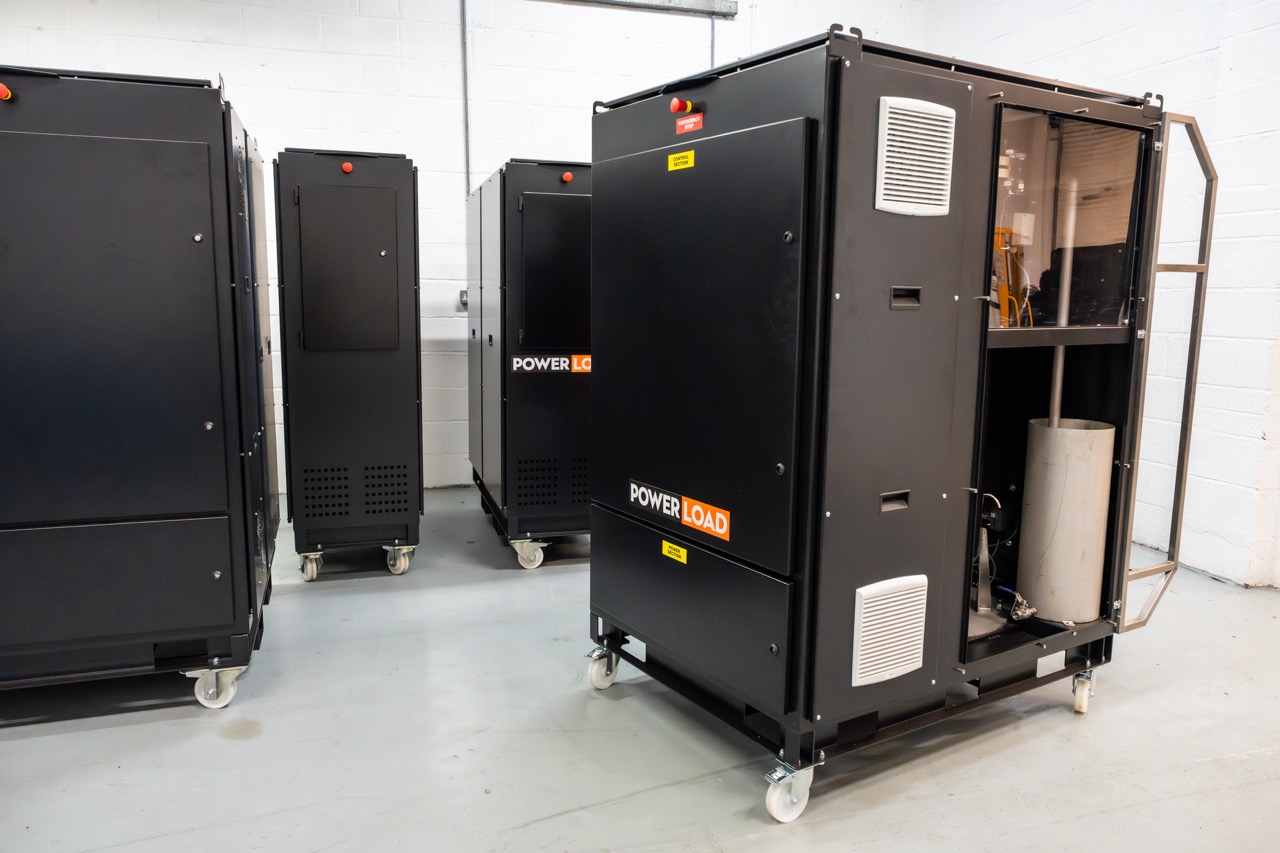
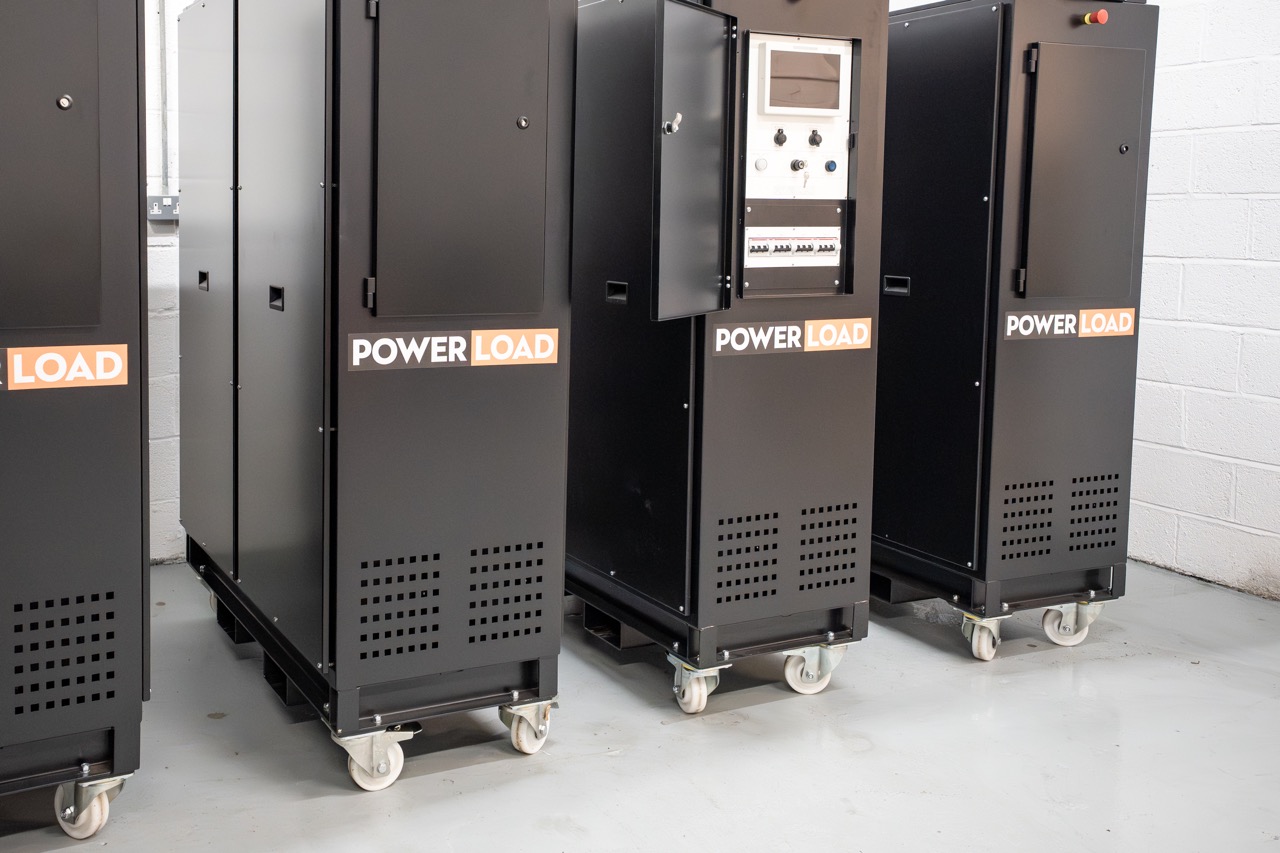
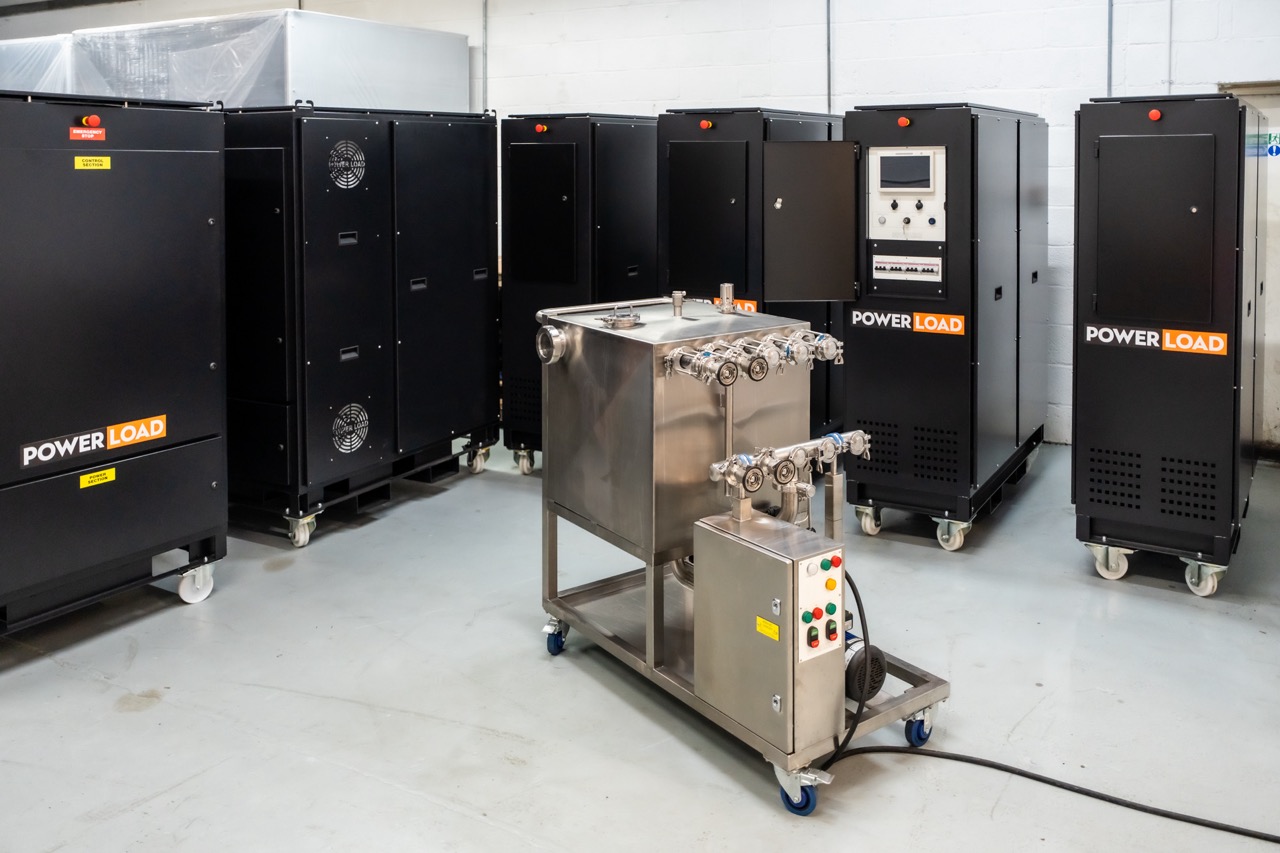
PowerLoad’s load bank systems use solid-state switching to apply and remove load at millisecond timescales, closely matching the electrical characteristics of real AI GPU servers. This allows commissioning teams to observe how infrastructure responds dynamically, rather than relying solely on static conditions.
By exposing systems to realistic load transitions during commissioning, issues that would otherwise appear only after go-live can be identified and addressed earlier, when changes are safer and more cost-effective to implement.
Closing the gap between testing and reality
As AI GPU environments become more common, commissioning must evolve to reflect how infrastructure will actually be used, not just how it performs under idealised conditions.
Understanding why static testing misses these issues is a critical step in that evolution. It highlights the need for dynamic testing methods that can surface real-world behaviour before live workloads are introduced.
In AI-driven data centres, confidence comes not just from knowing systems can carry the load, but from knowing they have been tested to respond correctly when that load changes in milliseconds.